A clear comparison for better industrial control system decisions
Choosing the right control system is critical for the success of any industrial automation project. Two of the most widely used systems are Distributed Control Systems (DCS) and Programmable Logic Controllers (PLC). While they often overlap in functionality, they serve different purposes depending on the scale, complexity, and requirements of the process.
Here’s a breakdown of the key differences between DCS and PLC:
⚙️ 1. System Architecture
-
PLC: Centralized logic processing with fast response for discrete or batch operations.
-
DCS: Decentralized architecture designed for complex, continuous processes.
🔁 2. Application Scope
-
PLCs are ideal for packaging lines, machine automation, and small to medium systems.
-
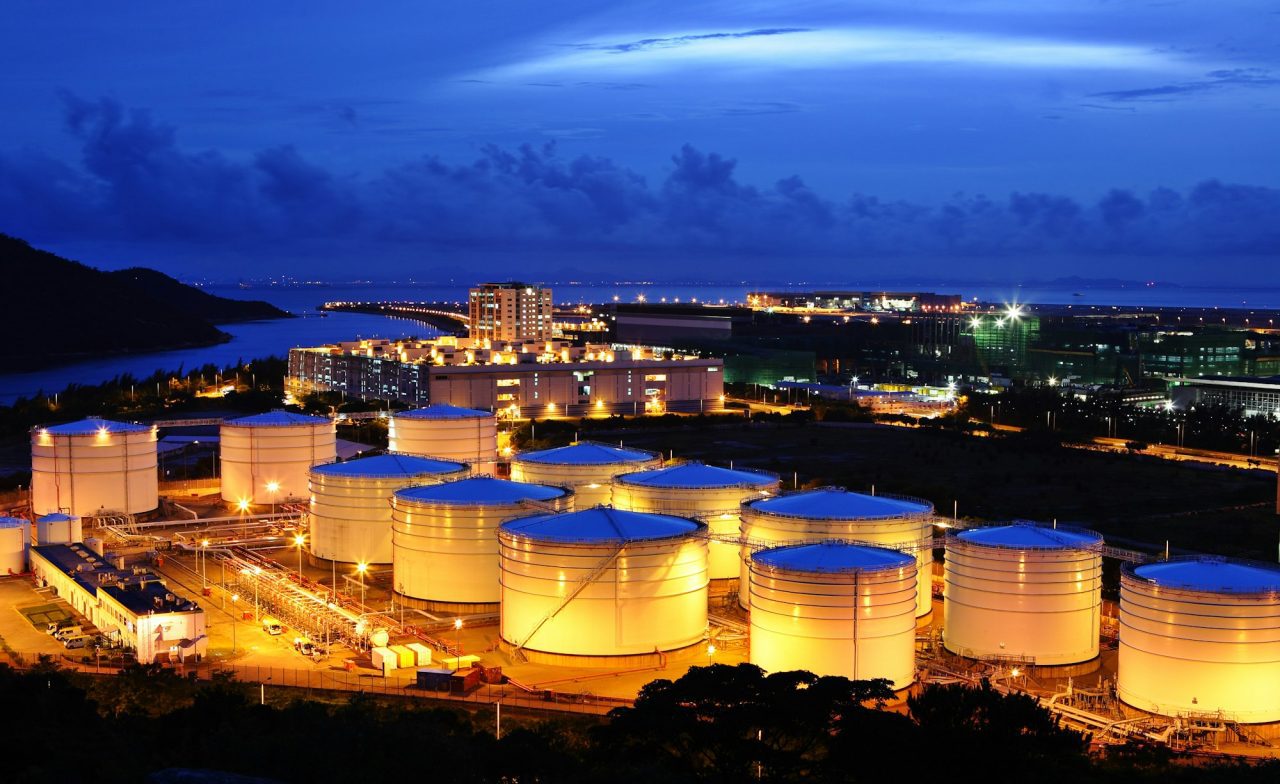
DCS excels in oil & gas, chemical plants, and large-scale process control.
🔌 3. Scalability & Integration
-
PLCs are easier to implement in modular systems.
-
DCS systems are better for tightly integrated, large networks with high reliability needs.
💡 4. User Interface & Monitoring
-
PLCs often rely on HMI/SCADA for visualization.
-
DCS systems come with native control & monitoring software offering seamless integration.
🛠️ 5. Maintenance & Engineering
-
PLCs are simpler to program and maintain by in-house teams.
-
DCS systems often require expert engineers and longer development cycles.
🧩 Which One Is Right for You?
-
For fast, discrete control: Go with PLC.
-
For large, continuous processes: Choose DCS.
We offer both DCS and PLC solutions from trusted brands like Siemens, Yokogawa, and HIMA, tailored to your operational needs.